

Why regulated workloads need more than compliant-capable cloud
Public cloud providers will tell you their platforms support HIPAA, PCI DSS, and most other frameworks your compliance team cares about. That’s true, but it’s also only part of the story.
—
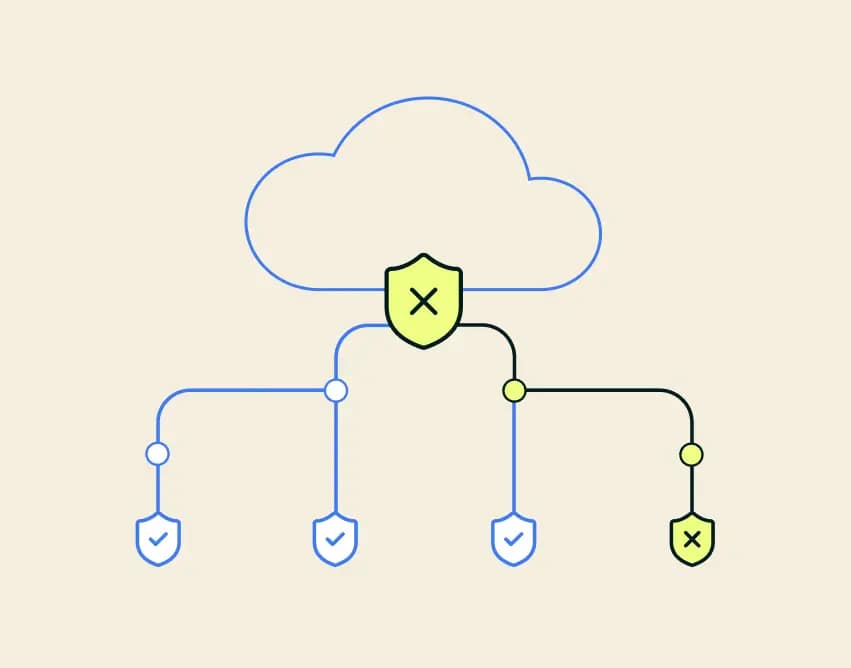
Supporting a framework and running a compliant workload on that framework are two different things. The gap between them is where most compliance problems actually live, and it’s a gap your team is responsible for closing.
The shared responsibility model is fine…until it isn’t
Every major cloud provider operates under a shared responsibility model. The provider secures the underlying infrastructure. You handle configuration, access controls, monitoring, data handling, retention policies, and everything else that touches your workload.
In practice, that responsibility doesn’t just split between you and the provider. It spreads across your internal teams, your vendors, your contractors, and whatever combination of cloud services you’ve assembled to run the workload. Compliance issues tend to appear in the spaces between those groups, not at any one party’s door.
A healthcare team can encrypt patient records correctly and still expose protected health information through improperly stored logs. A payment environment can pass its initial PCI review, then drift out of bounds two years later as infrastructure expands and the original segmentation logic becomes hard to follow.
These aren’t unusual failure modes. They’re what happens when complexity accumulates faster than oversight can keep up.
The challenge is staying compliant
Most organizations figure out how to get compliant. The harder problem is maintaining it as environments grow, teams change, and integrations multiply.
Large public cloud environments tend to fragment over time. Logs spread across services. Different teams build different retention habits. Access controls that made sense at 20 people start to look inconsistent at 200. Sensitive data shows up in development environments that were never supposed to touch it, because a backup automated its way there.
None of those situations is a dramatic failure. That’s actually what makes them hard: they’re ordinary operational drift, the kind that becomes visible at audit time rather than before it.
Where Specialty Cloud fits into this
Some workloads benefit from a purpose-built environment: tighter isolation by default, fewer configuration decisions left open-ended, support teams that already know the compliance context you’re operating in.
That doesn’t mean Specialty Cloud eliminates your responsibility. Compliance still requires internal governance, documentation, and consistent practice regardless of where the workload runs. But a cloud environment built for regulated workloads can reduce the overhead your team carries, especially the overhead that comes from assembling compliance controls across a general-purpose platform that wasn’t designed with them in mind.
When public cloud makes sense
Public cloud is the right call for regulated organizations with strong internal teams and the operational resources to manage complexity over time. It’s also the right call for workloads that don’t require the same level of isolation or documentation clarity.
The mistake is assuming every regulated workload has the same operational needs. A general-purpose cloud environment optimized for flexibility can be configured to handle compliance requirements, but that configuration work lands on your team. Whether that’s the right tradeoff depends on what your team has the capacity to own and maintain consistently, not just at launch, but over time.
Compliance Gets Easier When Your Environment Is Built for It
About the author

Teon Fountain is Head of Business Development, Partner Operations at Nexcess, a Specialty Cloud company that builds cloud environments for organizations handling sensitive and regulated data. If you’re evaluating whether your current setup matches the demands of your workload, we’re a good place to start.
Table of contents
Get hosting news and tips straight to your inbox
Join our community today.
Essential Hosting Resources to help your business stay ahead
Share this page


